.png)


Harriet Tubman: 15 Facts You Probably Didn’t Know
Watch Your Kid Proffesors to learn more about Harriet Tubman from kids!
Harriet Tubman is one of the most iconic figures in American history, yet her life is still often reduced to a single role: conductor of the Underground Railroad. While that alone would be extraordinary, it barely scratches the surface of who she was.
Here are 15 lesser-known, historically accurate facts that reveal the full scope of her courage, strategy, and legacy.

1. Harriet Tubman was born enslaved as Araminta Ross
She was born around 1822 in Dorchester County, Maryland. “Harriet” came later, after she escaped slavery.
2. A brutal head injury changed her life forever
As a child, an overseer struck her in the head with a heavy metal weight meant for another enslaved person. The injury caused lifelong seizures, migraines, and vivid visions.
3. She escaped slavery alone
In 1849, Tubman escaped to Philadelphia, traveling roughly 90 miles using the Underground Railroad. She later said freedom felt unreal at first.
4. Freedom wasn’t enough
After reaching the North, she immediately decided to return south to help others escape. This was unheard of and wildly dangerous.
5. She made about 13 missions, not 19
Contrary to popular myths, historians estimate around 13 rescue missions, leading 70+ people directly to freedom and giving instructions to dozens more.
6. She was never caught
Despite a bounty placed on her head and constant danger, Tubman was never captured. She credited faith, preparation, and absolute discipline.
7. She was nicknamed “Moses”
Those she freed called her Moses because she led people out of bondage, often under cover of night and secrecy.
8. She used coded songs
Songs like “Wade in the Water” weren’t just spirituals. They carried coded messages about escape routes and how to avoid tracking dogs.
9. She was a Civil War nurse, scout, and spy
Tubman worked for the Union Army in South Carolina, gathering intelligence and aiding formerly enslaved people fleeing plantations.
10. She led a military operation
In 1863, she helped lead the Combahee River Raid, which freed more than 700 enslaved people. She was the first woman to lead a U.S. military expedition.
11. She worked with John Brown
John Brown called her “General Tubman.” She helped him recruit supporters and plan logistics before his raid on Harpers Ferry.
12. She married twice
Her first husband, John Tubman, did not join her escape and later remarried. Years later, she married Nelson Davis, a Union veteran.
13. She adopted children
Tubman did not have biological children. She adopted and cared for several family members and orphans later in life.
14. She struggled financially
Despite her service, the U.S. government delayed her pension for decades. She lived modestly and often relied on community support.
15. Her legacy is still unfolding
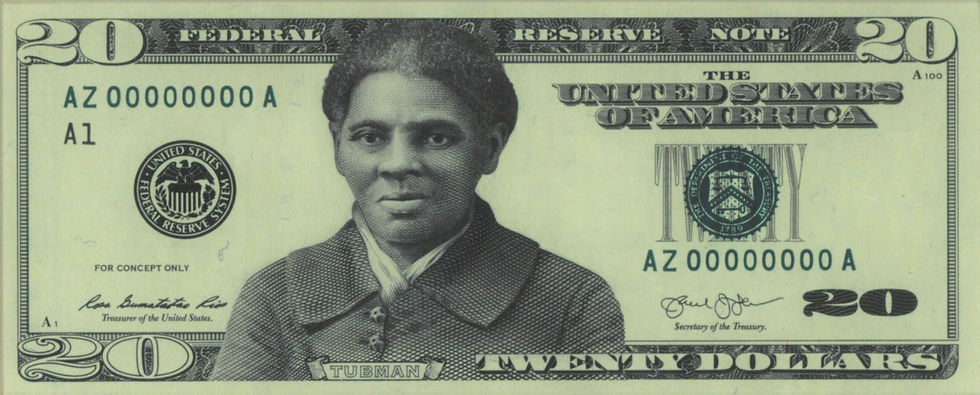
Two national parks honor her life, and plans remain in motion for her image to appear on the $20 bill, a long-overdue acknowledgment.
Watch with Kids
🎥 Your Kid Professors episode on Harriet Tubman:https://youtu.be/ABe3Mmgbv-A

Comments